loading

Shenzhen Demeng Toy Co., Ltd. focus on making custom designer toys.

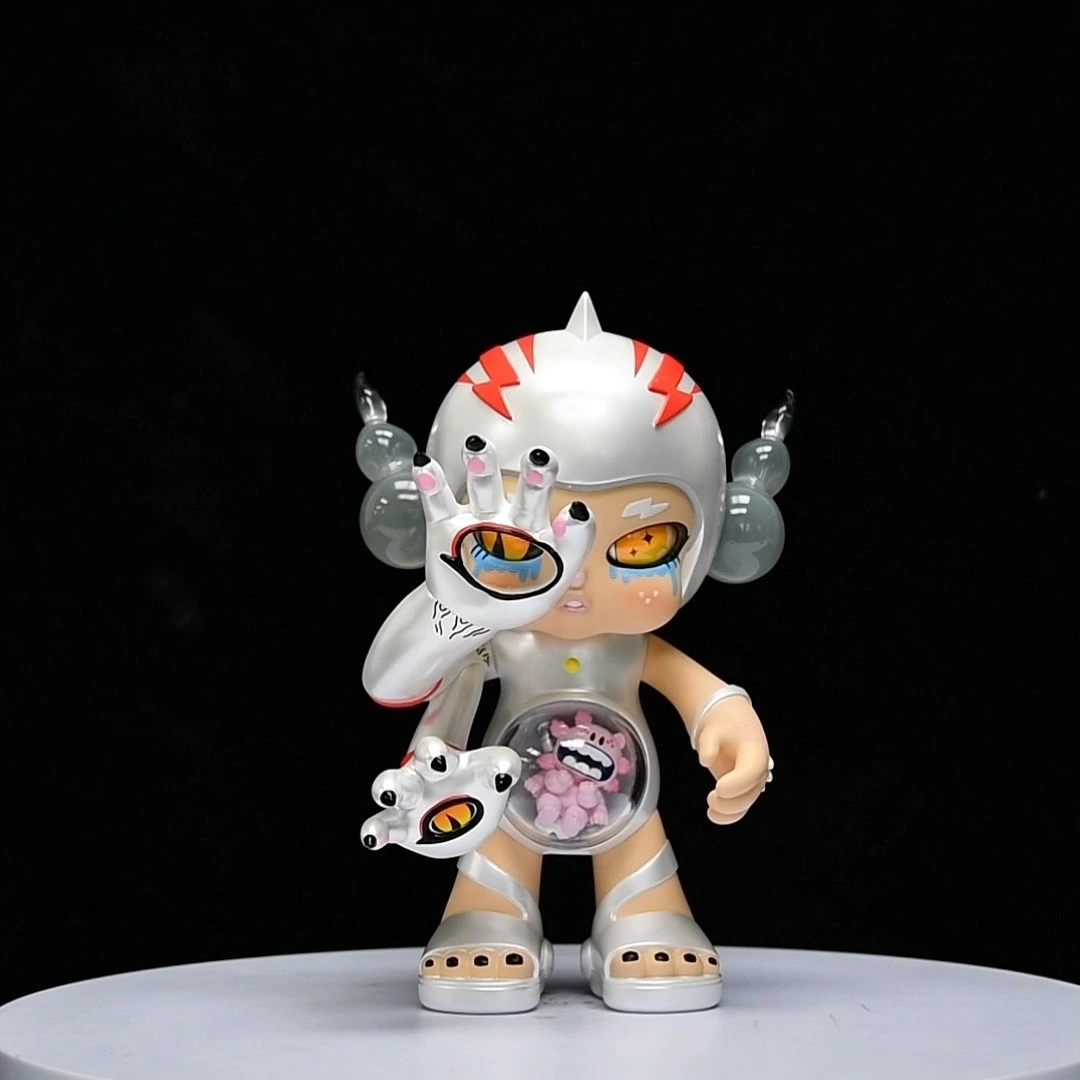
Custom Urban Designer Vinyl Art Toys, Dissected Space Monster Collectible Designer Vinyl Figure
Custom Urban Designer Vinyl Art Toys, Dissected Space Monster Designer Vinyl Figure
Custom Urban Designer Vinyl Art Toys, Side View Of Space Character Collectible Art Toy
Custom Urban Designer Vinyl Art Toys, Back View Of Dissected Space Monster Vinyl Figurine
Custom Urban Designer Vinyl Art Toys, Another Side Angle Of Space Theme Designer Figure
Custom Urban Designer Vinyl Art Toys, Close Up Shot Of Dissected Space Monster Face
Custom Urban Designer Vinyl Art Toys, Detailed View Of Figure Internal Anatomy Structure
Custom Urban Designer Vinyl Art Toys, Partial Close Up Of Space Monster Figure Eyes
Custom Urban Designer Vinyl Art Toys, Brand Logo Detail On Designer Vinyl Toy

Custom Urban Designer Vinyl Art Toys

Custom Urban Designer Vinyl Art Toys Dissected Monster Collectible Figure Limited Anime Art Figurine
Custom Urban Designer Vinyl Art Toys, dissected monster collectible figure with anime style. Made of high quality vinyl, hand painted with unique transparent organ details, ideal for designer toy collection and brand IP display.
Product Description:
These Custom Urban Designer Vinyl Art Toys are dissected monster collectible figures made with anime style. Crafted from high quality vinyl material, they feature solid structure, smooth surface and carefully hand painted finish.
The figure includes transparent belly details, monster organ parts, bold silver and red color scheme, and exaggerated cartoon sculpt. The dissected design creates a unique urban art toy look, suitable for desktop display, shelf decoration and adult collection.
We support full custom service for urban designer vinyl art toys, including character design, size, color, dissected parts, transparent details and packaging. Suitable for designer toy lines, limited edition releases and brand IP merchandise.
Key Features
  • Custom Urban Designer Vinyl Art Toys, dissected monster collectible figure
  • Anime style with unique transparent belly and monster organ details
  • High quality vinyl material, solid and durable
  • Hand painted details with bold silver and red color
  • Custom design, size, color & packaging available
5.0
Material:
Vinyl
Color:
Customizable (Pantone Color Matching Available)
Size:
Customizable (OEM/ODM Service for Various Scales)
Prototyping Time:
7 working days (Rush Order Available)
MOQ:
100 pcs (Bulk Discount for Large Orders)
Certificates:
CE, EN71, ASTM F963, CPSIA
design customization

    oops...!

    no product data.

    Go to homepage
    Brand Name
    Custom
    Usage
    Home Decoration, Collection, Desktop Ornament, Gift
    Packaging
    Color Box
    Weight
    Customized (Depends on Size)
    Style
    Futuristic space girl designer vinyl figure, silver helmet with red lightning pattern, transparent belly capsule with tiny monster inside, cyber street art toy, glossy & matte mixed finish
    Craft
    Rotocasting vinyl, hand painting, pad printing

    Note:

    The toy figure images shown on our website are intended solely as references for customization and are not available for purchase. As a professional ODM/OEM toy manufacturer, we focus on customizing and producing toy figures of comparable style. If you have an original figure design you’d like to produce, please reach out to us for a quotation.

    What Makes an Art Toy Platform More Than Just a Figure?

    In designer toy manufacturing, a platform is a fixed sculptural body reused across every variant in a series. The body mold is machined once; each variant then adds only its own tooling for mask shells, variant parts, and color finishes.


    Platform body mold — the shared sculpt: head shape, torso, limbs, stance. Machined once, used across the whole series. Variant tooling — what is unique per release: extra masks (helmet, armor), swap parts, clear windows, accessory plugs. Color dossier — a per-variant document: Pantone references, finish specs, mask ID, spray sequence, reference photographs.

    Custom Urban Designer Vinyl Art Toys (2)

    Product Display

    Custom Urban Designer Vinyl Art Toys (5)
    Custom Urban Designer Vinyl Art Toys (5)
    Custom Urban Designer Vinyl Art Toys (4)
    Custom Urban Designer Vinyl Art Toys (4)
    Custom Urban Designer Vinyl Art Toys (3)
    Custom Urban Designer Vinyl Art Toys (3)

    Five Material Routes for a Platform Series

    MaterialRole in a SeriesBehavior at 2.5 to 5 inBest Fit
    Rotational Cast Soft Vinyl ⭐Platform body - the shared sculpt across all variantsHollow 2.5 to 4 mm wall; 1/3 the weight of solid; squishy premium hand feel; masked spray and pad print both register cleanlyWhole body on 90 percent of designer toy series
    Clear Vinyl / Clear PVCWindows, bubbles, capsules, organs - the transparent reveal1.5 to 2.5 mm cast or blow sheet; must be bonded or friction-fit; scratches visible so handling protocol mattersDissected torsos, helmet visors, floating-part effects
    Solid Injection PVCSmall variant parts: accessories, plugs, stands, weapon propsHard 75 to 85 Shore D; tight tolerance; holds fine pad print; too stiff for a squishy bodyAccessories across every variant in a wave
    ABSArticulation joints, inner armature, rigid shellsDimensionally stable; takes chrome-like plating; ultrasonic weld compatible with ABS parts onlyJointed platform builds, plated armor, snap-fit parts
    Two-Tone Rotocast VinylSplit-color body cast in a single pour - one mold, two colorsRequires sequenced charge (second shot timed before full fusion); saves entire spray stations on high-volume variantsLarge runs where the two-color split is designed into the sculpt


    Eight Processes That Build One Series

    ProcessWhat It ProducesSeries NoteBest Use
    Rotational Cast Molding ⭐The platform body - hollow soft vinyl shellAluminum mold $3,000 to $8,000, 1 to 2 cavities; tool cut once and serves the whole seriesShared body across every variant
    Injection MoldingAccessories, plugs, stands, rigid sub-partsSteel tool $8,000 to $20,000; justified when accessories repeat across variantsHardware that ships with every variant
    Two-Shot Over-moldingRigid core with soft skin, or opaque base with clear layerBonds materials in one cycle; eliminates a separate assembly stepItems where softness and structure must coexist
    Vacuum MetallizingMirror silver, chrome, gunmetal, gold finishesSprayed in vacuum chamber; requires a clear top coat or it oxidizes; over-spray is a per-variant costHelmets, armor, reflective accents - the silver in the reference build
    Masked Hand-SprayGradients, eyes, patterns, lightning linesEach mask is a per-variant asset; mask set ID recorded in the color dossier; re-cut every 800 to 1,000 piecesGradient eyes, painted patterns, edging
    Pad PrintingLogos, small graphics on flat or gently curved surfacesRegistration repeatable across thousands; the reliable option when a variant counts in the hundredsBrand marks, repeating graphics, consistent details
    Water-Transfer DecalFine line art, photographic graphics, letteringApplied post-paint and sealed; needs a clear top coat to survive handlingDetailed artwork that masks cannot achieve
    Bonded Clear-Part AssemblyClear windows, capsules, visors joined to the bodySolvent bond or mechanical friction fit; solvent bond is permanent, friction fit allows display swapThe transparent reveal - belly capsules, visor lenses


    Compliance Across the Whole Series

    StandardScopeApplication to a Series
    CE (EN71-1/2/3)EU toy safety: mechanical, flammability, migrationDeclaration issued per variant, not per series
    ASTM F963US toy safety standardApplies to all variants; swap parts re-tested if geometry changes
    CPSIAUS lead and phthalate limitsSubstrate testing carries across variants sharing one body material
    EN71 Part 9Migration of certain elements from coatingsRelevant because variants differ in paint and metallizing
    EN71 Part 3Heavy metal migrationGoverned by substrate chemistry; body and clear parts tested
    Small Parts (16 CFR 1501)Choking hazard for under-3Swap parts and accessory plugs are the exposure point
    California Prop 65California warning requirementRequired for retail sale in California; warning applied to packaging
    REACH (EC 1907/2006)EU chemicals regulationPlasticizer and pigment disclosure at import per variant coating
    RoHS 2.0Restricted substances in electricalsOnly if a variant includes LED, sound, or battery
    ISO 8124International toy safetyAdopted by Australia, Brazil, and GCC markets
    AS 8124 / GB 6675Australia / China domesticAS 8124 mirrors EN71; GB 6675 is China's national standard
    Adult Collectible LabelingAges 14+ market positioningApplies to artist-edition drops not intended for child play
    Per-SKU Color Dossier RecordInternal traceabilityPantone, finish, mask ID, spray sequence archived per variant
    Platform Tool RegistryInternal tooling recordBody mold ID plus variant tooling list, so any variant can be reordered against the correct body revision


    Caring for a Series, Not Just One Toy

    1. Do not store variants touching each other. Soft vinyl releases plasticizer at the surface, and two painted bodies in contact will transfer finish over months. Keep the original inner tray or separate with acid-free tissue.
    2. Keep the body and its masks together. If a variant shipped with swap parts, storing them loose in a drawer is the fastest way to lose the match. Store each variant in its own foam cavity.
    3. Remove swap parts gently and rarely. Friction sockets wear with every cycle. If a helmet or accessory is display-permanent, install it once and leave it - repeated removal turns a snug fit into a loose one.
    4. Clear windows scratch, so avoid cloth. Dry dust with a camera blower or soft brush. Wiping a clear belly window with a microfiber cloth drags dust across the surface and leaves fine scratches that show under any light.
    5. No alcohol or ammonia on clear or metallized parts. Vacuum-metalized silver is a thin film under a clear top coat, and solvents lift the coat and cloud the metal. Clear PVC hazes permanently on contact with alcohol.
    6. Handle metallized surfaces with clean hands or gloves. Finger oils etch vacuum-metalized finishes faster than paint. Handle the body, not the chrome.
    7. Keep series pieces out of direct sun. Beyond general fading, clear parts yellow and haze under UV, and the effect differs between variants - which makes a series look mismatched after a few years.
    8. Do not brush dust off hand-sprayed gradient zones. Masked gradients and eye details sit above the base coat. A stiff brush can lift an edge. Use air first, soft brush second.
    9. Store the blind box and the ratio card. For series collectors, the box, the ratio marking, and the checklist card are part of the item. Replacement packaging does not exist for a closed run.
    10. Keep the chase piece documented separately. Insert chase items in their own protective sleeve with the case card. Chase value depends on provenance, and it is the variant most easily separated from its documentation.
    11. Do not stack display pieces. Soft vinyl creeps under load, and a variant that spent a year under another variant will keep a flat spot.

    Production Process & Timeline

    The production cycle of this custom toy is about 2-3 months. The process is divided into 3 core stages, with the steps and timeframes for each stage as follows:
    1. Pre-design & Sampling Stage

      Including 2D design, 3D modeling, 3D printed sample, and colorful prototype production, taking 5-11 days in total;
    2. Mold & Mass Production Preparation Stage

      Including mold solution finalization, mold making, and mass production, taking 35-42 days in total;
    3. Post-processing & Delivery Stage

      Including color painting, assembling, Q-C (quality control), packaging, and delivery, taking 14-22 days in total.                                                          
    20251231-104507

    FAQ

    1
    How can one body mold produce twelve different products?
    Because a variant is defined by what changes, not by what stays the same. On a 12-variant series, the platform body - silhouette, proportion, stance, part breaks - stays identical across all twelve. What changes is the color dossier (Pantone references, spray sequence, top coat), the mask set used for gradient or pattern work, and any optional swap part such as a helmet, accessory, or clear window tint. In practice most series change color and masks only, which means no new hard tooling per variant - just a mask set and a written dossier.
    2
    Why does per-variant MOQ drop as the series gets bigger?
    Because the platform body tool is a shared fixed cost. A single-variant release amortizes that entire tool across one SKU, so the minimum is 100 pieces. A 12-variant series spreads the same body tool across twelve SKUs - each variant then carries only its own mask set and color dossier, which brings per-variant MOQ down to 40 pieces while the series total stays around 480 pieces, a normal production run. An extended 24-variant series running 30 pieces per variant reaches about 720 pieces total. Actual minimums are quote-confirmed per project, and unequal ratios are fine if you want some variants weighted heavier than others.
    3
    What is the lead time for a full series, and does variant count extend it?
    Total production cycle is 54 to 75 days, and a 12-variant series stays inside that window. The reason is parallelism: the platform body mold is machined over 35 to 42 days while variant tooling, masks, and clear parts are engineered on a separate track over 12 to 18 days, and mass production then batches all variants in one production window. What scales with variant count is post-processing hours, not calendar months. Sampling alone is 7 working days, pre-design totals 5 to 11 days, and post-processing for paint, bonding, and QC is 14 to 22 days. Sea freight adds 25 to 40 days and air freight 3 to 5 days.
    4
    How do you keep paint consistent across a whole series?
    Through a per-variant color dossier plus a re-cut schedule for masks. Each dossier records the Pantone references, finish type, mask set ID, spray sequence, top-coat specification, and an approved reference photograph, so any variant can be reproduced later without relying on memory. During production, every batch is compared against its dossier reference at Delta E 2.0 or tighter, and any piece that drifts past the tolerance is pulled rather than downgraded. Masks are consumable: they deform after roughly 800 to 1,000 pieces and are re-cut to the original drawing, with the re-cut logged against the dossier so the variant does not drift across seasons. For metallized variants, over-spray is tracked per batch because vacuum metallizing cannot be spot-corrected.
    5
    How are clear windows and metalized finishes actually made?
    Clear parts and metalized finishes are two separate processes that both attach to the platform body. Clear windows, capsules, and visors are molded or cast in clear vinyl or clear PVC at 1.5 to 2.5 mm, then joined to the body either with solvent bond, which is permanent, or with a mechanical friction fit, which allows a collector to swap the piece. For internal floating details - the small figure inside a belly capsule, for example - the part is placed before the clear piece is sealed. Metalized finishes are applied by vacuum metallizing: the part is placed in a vacuum chamber and a thin metal film is deposited on the surface, then sealed under a clear top coat or the film oxidizes. Metallizing runs as its own production step, so it adds cost only to the variants that use it.
    Get in touch with us
    Just leave your email or phone number in the contact form so we can send you a free quote for our wide range of designs!
    Related Products
    ADDRESS
    Dongjia International 1315, No.19 Longgang Road, Longgang District, Shenzhen, Guangdong Province, China.
    Contact us
    wechat
    whatsapp
    Contact customer service
    Contact us
    wechat
    whatsapp
    cancel
    Customer service
    detect